
5 Eating Habits That Stop You From Losing Weight
Advertisement :
Have you ever stepped onto a scale and found your weight had increased? In reality, however, weight often fluctuates—it can go up or down. In today’s fast-paced life, we tend to eat whatever is convenient, without considering whether a particular food will cause us to gain weight or help us lose it.
In this article, I will discuss the dietary habits that hinder weight loss. Let’s take a closer look at them.

1. Not Thinking About the Type of Calories
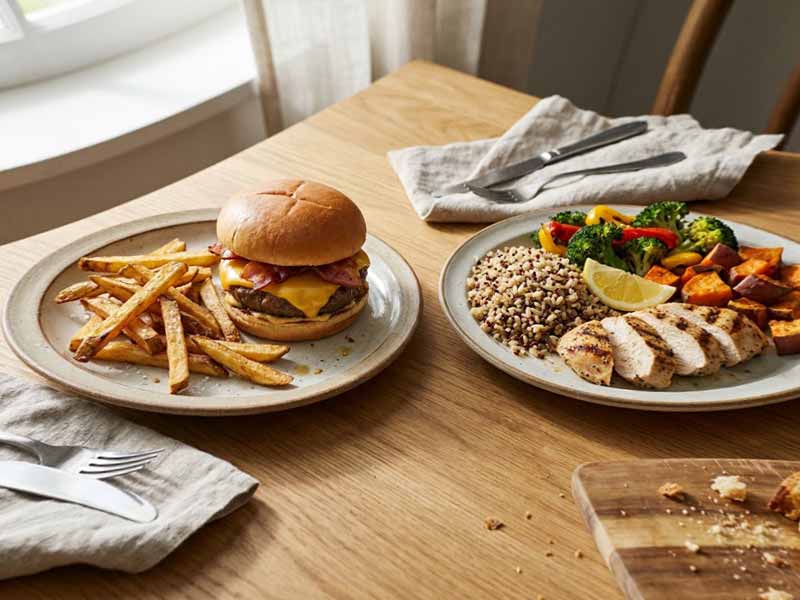
You are surely aware that to lose weight, you need to limit your calorie intake. But have you ever considered what those calories actually represent? Let me explain: for example, the portion size of vegetables doesn't equal that of a cheeseburger. Not all calories are equal—which is precisely why you often feel sluggish after consuming unhealthy food, compared to how you feel after eating healthy food.
2. Eating Low-Fat or Diet Foods
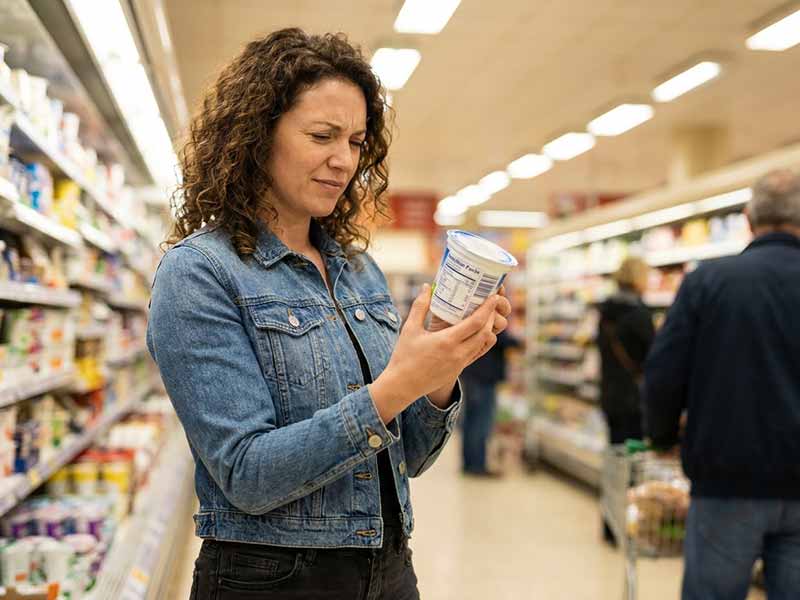
If you have decided to lose weight, you will likely take some action—perhaps by heading to the grocery store to buy products labeled "low-fat" or "diet." However, do not be swayed by these labels; in your pursuit of these so-called "healthier options," you often end up consuming a large amount of additives, chemicals, and sugar.
Furthermore, these lack the natural nutrients found in food, which means you will start feeling hungry again sooner. Instead, the best choices for you are fresh, whole foods that have undergone minimal processing. Consume plenty of fresh fruits and vegetables, as well as whole grains, nuts, and similar items.
3. Not Giving Protein Enough Importance

Protein plays a significant role in weight loss. You should know that protein is crucial for boosting metabolism, which is an excellent way to lose weight more quickly. It not only helps reduce your appetite but also keeps you feeling full for longer.
Additionally, you can opt for a high-protein diet, as it helps promote the production of various hormones that regulate weight and preserves your muscle mass during the weight-loss process.
4. Inadequate Fiber Intake
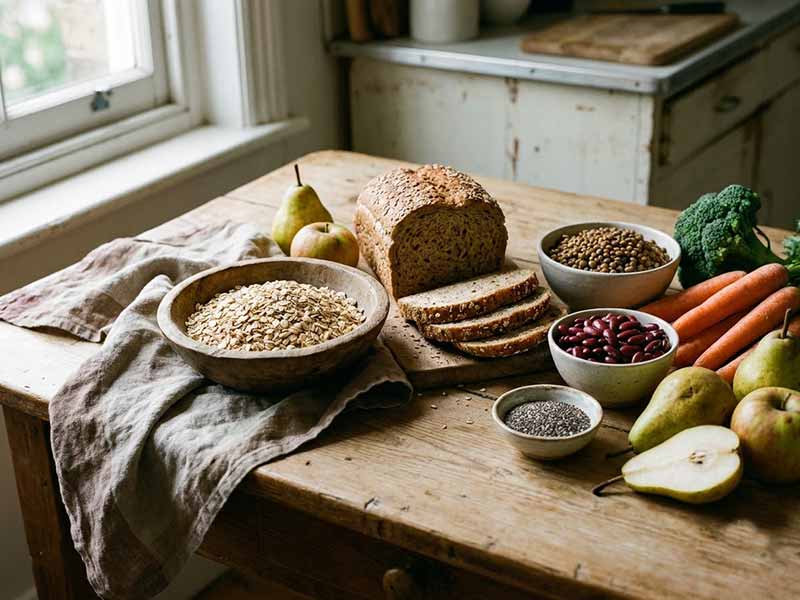
Fiber is another crucial element in a weight-loss diet. Consuming an adequate amount of fiber not only helps you feel full for longer, but it also reduces the number of calories your body absorbs from other foods. According to various researchers, doubling your daily fiber intake could lead to a reduction of up to 130 calories in your total caloric intake!
5. Eating Even When You’re Not Hungry

Many people believe that instead of eating three full meals a day, you should eat smaller portions more frequently. In reality, this will not benefit you at all! If you want to lose weight, it is essential that you eat only when you are hungry.
Even if you are eating smaller portions, your total calorie intake could still increase! Instead of having full meals, you might choose to eat smaller amounts more frequently. However, by not having complete meals, you may end up feeling hungry several times throughout the day, which could lead to an increase in your total calorie consumption.