
7 Foods That May Be Affecting Your Kidney Health
Advertisement :
Kidneys are vital organs in your body. They perform several essential functions, including filtering waste products, maintaining fluid balance, supporting bone health, regulating blood pressure, and producing hormones that help form red blood cells.
We know kidneys are resilient and can withstand the effects of medications, environmental toxins, diet, and more. However, even the healthiest kidneys can be affected by our actions—whether intentional or unintentional.
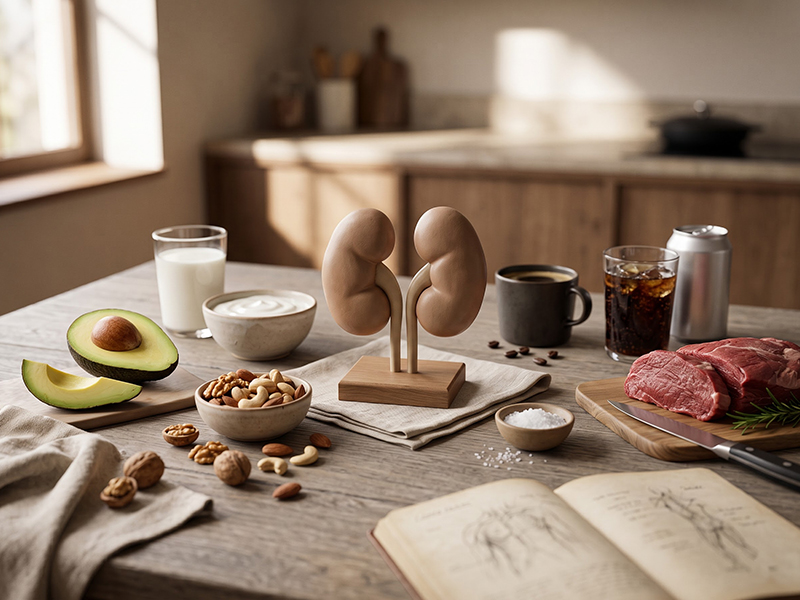
For instance, diet is crucial. Certain foods can be harmful to kidneys that are even slightly compromised, while others—often considered healthy—can damage even healthy kidneys if consumed in excess. Check out our blog to learn about seven such foods that can impact your kidney health.
1. Avocados
Avocados are creamy and delicious. They also contain healthy fats. They provide potassium, which can help regulate fluid, electrolyte balance, and pH levels in the body. You should not consume excessive amounts of any of these, as the kidneys require a proper balance of sodium and potassium.
Hyperkalemia is a medical condition characterized by excessively high levels of potassium in the blood. This issue is primarily observed in individuals with severe kidney disease. It can lead to symptoms such as numbness, weakness, nausea, and a slow heart rate. However, if your kidneys are healthy, you do not need to worry about your potassium intake.
2. Nuts
Nuts are healthy, but they are not good for those who are prone to kidney stones. This is because of a category of minerals known as oxalates, which can be found in the most common type of kidney stones. If you have previously suffered from kidney stones, you should avoid other oxalate-rich foods such as bran flakes, spinach, beetroot, potato chips, and French fries.
However, even healthy individuals should consume such foods in moderation and always include green vegetables and healthy foods in their diet.
3. Dairy Products
The calcium found in dairy products can increase the risk of kidney disease. Dairy products such as yogurt, cheese, and milk are very high in calcium, making them unsuitable for individuals with kidney problems.
In fact, people with kidney disease should avoid dairy products because consuming them does not facilitate the kidneys' filtering process. Avoiding dairy may also delay the need for dialysis.
4. Caffeine
If you are someone who cannot function without caffeine, this might be bad news. Many studies have shown that long-term caffeine consumption may lead to increase the risk of kidney stones and worsen chronic kidney disease. This is because it is a diuretic; such substances interfere with the kidneys' ability to reabsorb sufficient water.
Of course, there is no harm in having a cup of coffee in the morning or evening, but if you consume caffeinated drinks throughout the day, you might need to be cautious. In addition, it can increase blood flow and, consequently, raise blood pressure. However, if you do not have any blood pressure issues, consuming caffeine in moderation should not affect it.
5. Salt
Salt is a food that may be affecting your kidney health. If you look at today's dietary habits, you would be shocked by the amount of sodium they contain—and we aren't just talking about the salt or spices used in home-cooked meals.
We know that sodium plays a crucial role in the proper functioning of our kidneys. However, if sodium levels become excessively high, the kidneys are forced to retain large amounts of water in an attempt to dilute the salt in the blood, placing undue strain on them. Prolonged high salt intake can lead to elevated blood pressure. This can also damage the microscopic structures within the kidneys known as nephrons, which are responsible for filtering out waste.
6. Artificial Sweeteners
If you are trying to cut down on your sugar intake, that is a good thing. However, if you are using artificial sweeteners to do so, we have some bad news for you. There has been considerable debate regarding the safety of artificial sweeteners, but research indicates that consuming just two diet sodas a day reduces kidney function.
Moreover, studies have shown that people who use artificial sweeteners do not actually consume less sugar. Nevertheless, if you wish to use them, Stevia—a natural herbal extract—is the best option for you. It has been used for decades in places like South America, and no side effects have been observed.
7. Meat
Meat is another food that may be affecting your kidney health. Although protein is a crucial part of a healthy person's diet, metabolizing it is the most demanding task for our kidneys. Furthermore, excessive consumption of animal-based protein can increase the risk of developing kidney stones.
Organ meats, such as liver, are high in purines, which raise the levels of uric acid (a type of waste product) in the body. Since the kidneys are responsible for filtering out such waste, this can place excessive strain on them. For these reasons, a high-protein diet can be harmful to people with kidney disease.