
5 Common Habits That Could Affect Your Vision
Advertisement :
A balanced diet is essential for your good health. Too much or too little of almost anything can be harmful, and balance is essential for health and lifestyle. You’re probably already aware that using your smartphone for more than 2 hours is not good for your eyes.
If you have been facing some issues associated with your eyes and are not sure of the reasons for losing vision or experiencing eye side effects, one of the following may be the cause. Our blog explores the 5 common habits that could affect your vision.
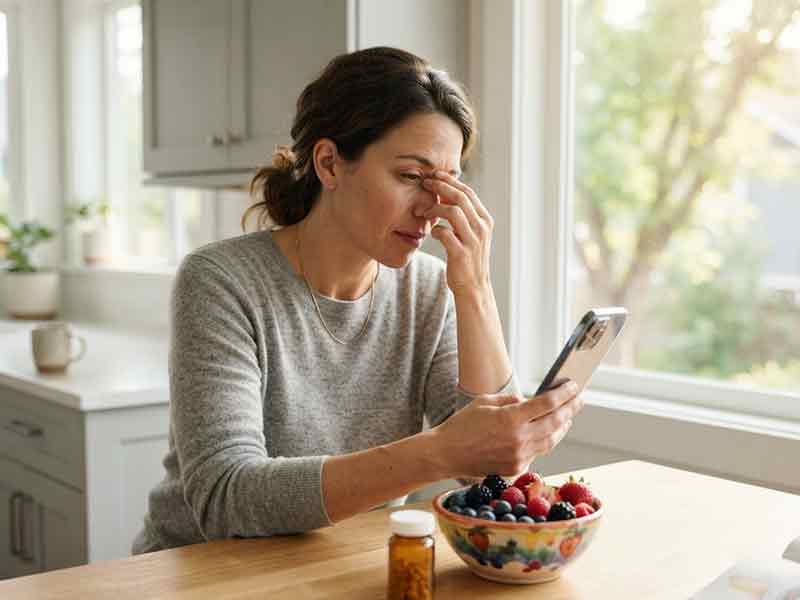
1. Smartphone Zone
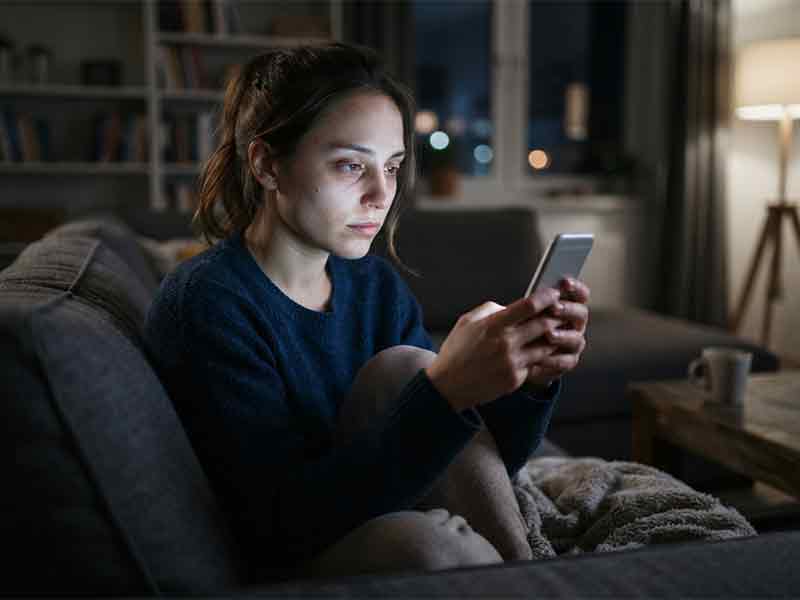
You know that everyone uses smartphones to connect with friends and family, surf the internet, and handle many daily tasks in one portable device. However, using them heavily can cause side effects, including vision problems. Computer Vision Syndrome (CVS) — also known as digital eye strain, a condition with a very telling name — is caused by long-term exposure to the harsh blue light emitted by several electronic devices such as tablets, computers, and smartphones.
The American Optometry Association (AOA) shows that the symptoms of computer vision syndrome (CVS) could include red eyes, dry eyes, burning eyes, eye strain, blurred vision, headache, sensitivity to light, excessive tearing, trouble focusing, double vision, altered color perception, sore eyes, nausea, as well as stiffness in the neck, back, or shoulder. Taking a break every 20 minutes is the best way to avoid facing these issues, as this thing can give your eyes some much-needed rest.
2. Your Little Bundle of Joy Is Almost Here
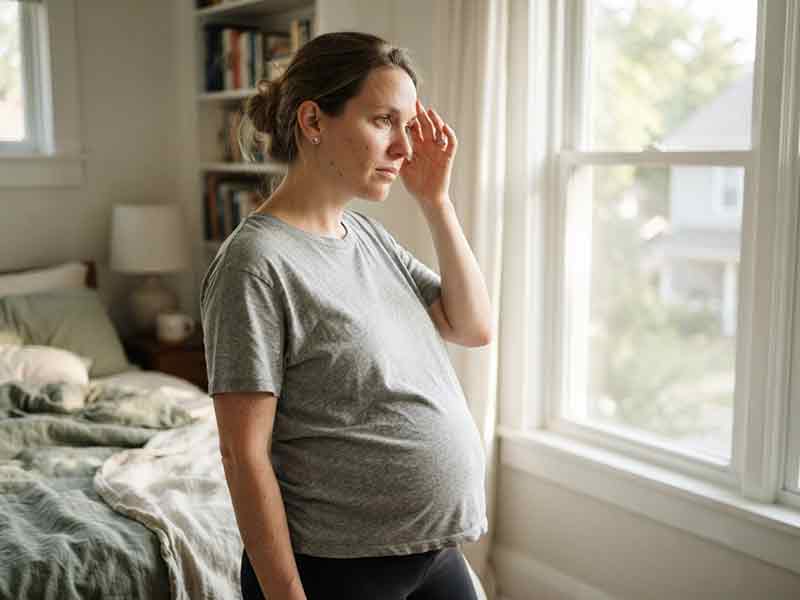
When you think about a little bundle of joy, pregnancy is a beautiful and very weird time in a woman’s life, and it can bring along a whole truckload of seemingly unrelated side effects.
According to a study published in the *Journal of Pregnancy*, pregnancy can sometimes be accompanied by temporary changes in vision. These may include blurred distance vision, difficulty seeing distant objects such as roads or street signs, and reduced night vision. In many cases, these changes may improve after childbirth as the body returns to its usual state.
3. You May Not Be Eating Enough Berries

Berries contain antioxidants and provide essential nutrition for eye health. Research from the University of Massachusetts Medical School suggests that not eating enough berries may be associated with reduced night vision. The findings point to oxidative stress as one possible factor affecting eye health, highlighting the potential role of antioxidant-rich foods such as berries in supporting healthy vision.
Try to eat berries because they are known to be best to improve night vision.
4. Could Your Acne Medication Be Affecting Your Skin?

According to a study in the Lens and Eye Toxicity Research journal, if you are taking medications for acne and you are also experiencing some issues of you eye vision, there just might be a correlation between the two. Another study shows that a prescription-only acne medication known as isotretinoin (the generic name for 13-cis retinoic acid) leads to an increase in the amount of UV light absorbed into your eyes.
5. Make Time to Get Outside More Often

A lack of vitamin D has been linked to various health conditions, from osteoporosis to depression, as well as vision impairment. Research from the University at Buffalo and the National Eye Institute has explored the relationship between sunlight exposure and age-related macular degeneration (AMD). Some findings suggest that limited exposure to natural light may be associated with a higher risk of AMD, particularly among women over 50.
Research has also examined how natural light may influence dopamine production in the retina. One study reported that women with regular sunlight exposure were 44% less likely to develop macular degeneration as they aged. However, these findings describe an association and do not establish that sunlight directly prevents AMD.