
Dirty Dozen: 10 Foods with Higher Pesticide Residues
Advertisement :
We need to eat fruits and vegetables for good health. Fruits and vegetables provide vitamins, minerals, fiber, and powerful antioxidants that help support the body. However, these foods are often grown with pesticides, which raise major concerns.
Many large-scale farms protect crops from insects and increase production with pesticides. While this helps reduce losses, it can also increase chemical residues. Many studies have shown that over 70% of common fruits and vegetables leave chemical residues. Because of this, the Environmental Working Group (EWG) also releases a list annually called the Dirty Dozen. This generally covers the 10 non-organic foods with the highest pesticide levels.
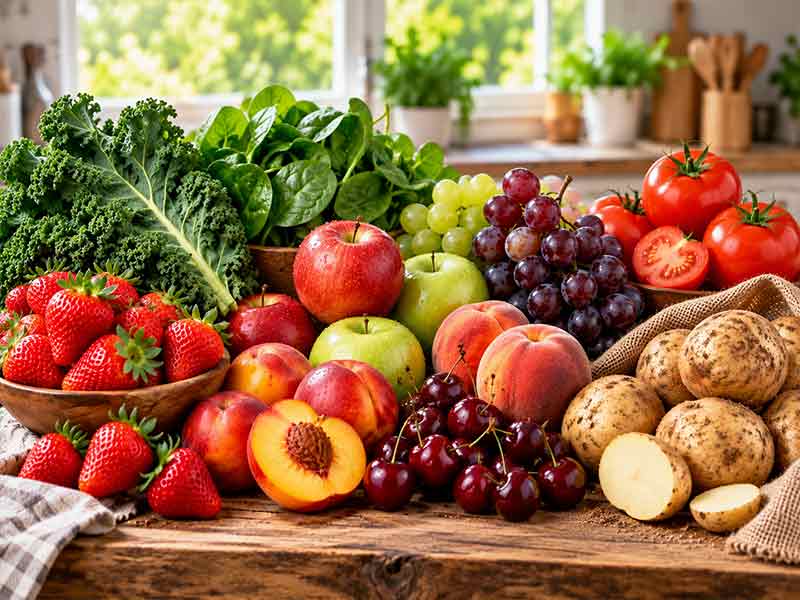
Over the past few years, the demand for organic products has grown significantly, largely driven by concerns about pesticide exposure. This article explores which foods make the Dirty Dozen list and why this matters for health.
1. Strawberries

Strawberries contain vitamin C, manganese, folate, and potassium, as well as higher antioxidant levels that support blood sugar regulation and heart health. However, nearly 90% of strawberries can leave at least two different pesticides. For this reason, many people choose organic strawberries, especially in season.
2. Kale
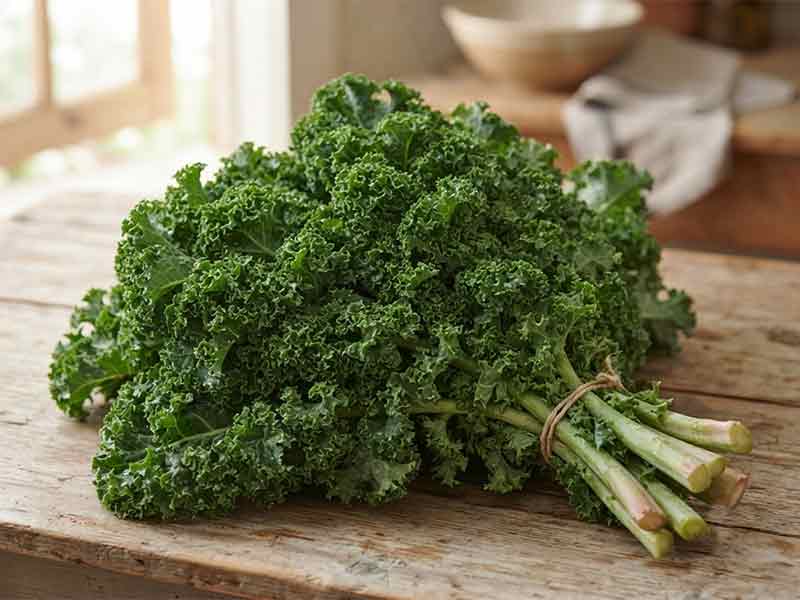
Kale provides higher levels of vitamins A, C, and K, as well as fiber and antioxidants. However, most conventional samples of this food contain multiple pesticide residues, sometimes in high amounts. For that reason, choosing organic Kale is recommended.
3. Spinach

Spinach is known for its vitamin K, vitamin A, vitamin C, iron, magnesium, and folate that support bone, digestion, and eye health. Studies show that a significant percentage of conventional spinach samples contain harmful pesticide residues. Therefore, choosing organic spinach is recommended.
4. Apples
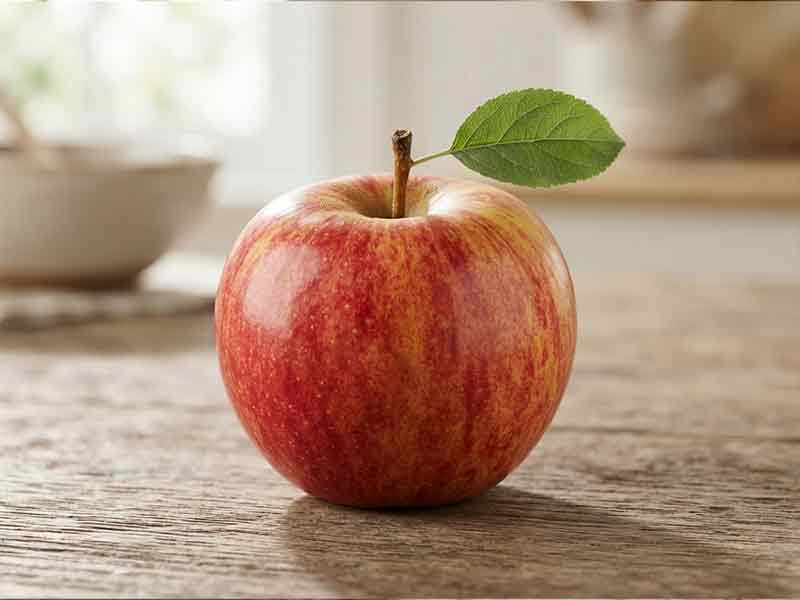
Apples are considered an excellent fruit due to their vitamin C, potassium, and antioxidants, such as flavonoids. They are highly consumed, especially by children. Despite these benefits, most conventional samples of apples carry residues from harmful pesticides. Therefore, organic apples and apple products are a safer bet.
5. Nectarines

Nectarines are sweet and nutritious, providing vitamin C, beta carotene, potassium, and fiber - supporting heart health and digestion. About 90% of most conventional samples of nectarines contain pesticide residues. For that reason, selecting organic nectarines is recommended.
6. Grapes

Grapes provide antioxidants such as resveratrol and quercetin in addition to vitamins and minerals. They are widely consumed by people, providing benefits for heart health and overall well-being. However, grapes carry multiple pesticides, making organic varieties of grapes preferable.
7. Cherries

Cherries are rich in vitamin C, potassium, fiber, and powerful antioxidants, helping reduce inflammation, improve heart health, and support better sleep. However, many reports suggest that over 90% of cherries carry multiple pesticide residues, so choosing organic cherries is widely recommended.
8. Peaches
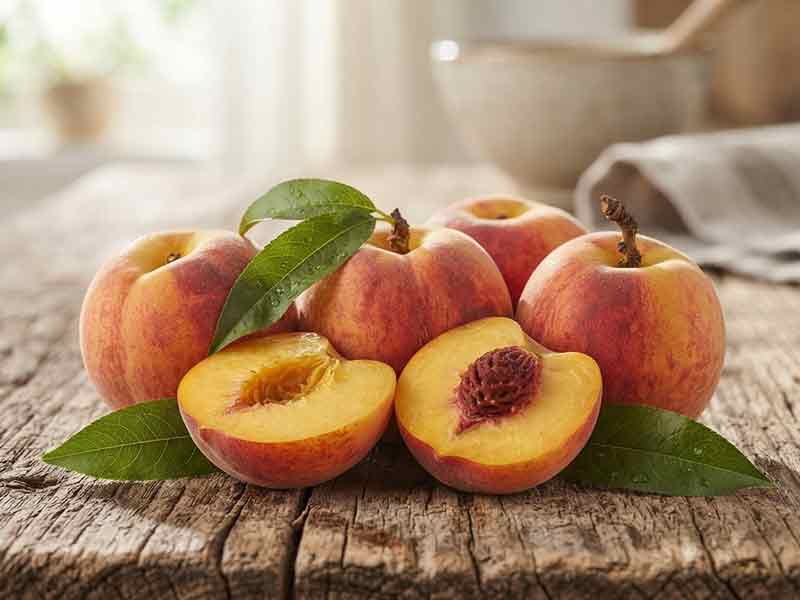
Peaches are juicy and contain vitamins A and C, as well as fiber and antioxidants, supporting skin, digestion, and immune health. They are beneficial for overall well-being, but they are highly susceptible to pesticide contamination. For that reason, choosing organic peaches is recommended.
9. Tomatoes
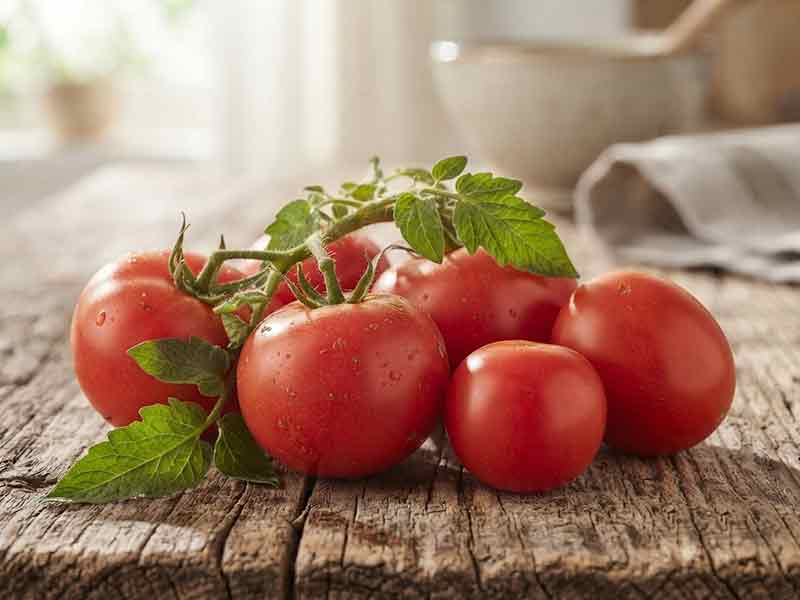
Tomatoes contain vitamin C, potassium, and antioxidants like lycopene, which support heart health. Despite these benefits, most conventional samples of tomatoes can contain pesticide residues, so choosing organic tomatoes is advisable.
10. Potatoes

Potatoes are known as a staple food globally. It is no surprise that they are affordable. They contain fiber, vitamin C, potassium, and other nutrients. Many people eat them because they support gut health and digestion. Since most pesticides remain on the skin, organic potatoes are a safer option for people.
Potential Health Effects of Pesticide Exposure
Pesticides have been linked to potential health effects in past studies. Potential health effects of pesticides include premature births, congenital malformations such as neural tube defects, spontaneous abortions, and an increase in genetic damage in humans. They have also been associated with major disorders like heart disease, cancer, lower sperm concentrations, and other disorders.
The American Academy of Pediatrics shows that children are usually prone to contamination, such as pesticides, even while in the womb. Due to pesticide exposure, many women can experience an increased risk of birth defects during pregnancy.
In Conclusion:
We understand that eating fruits and vegetables is important for the human body because they provide vitamins, minerals, fiber, and powerful antioxidants that help support the body. Despite these benefits, they carry multiple pesticide residues, so choosing more organic produce is crucial.