
9 Japanese Superfoods That Support Gut Health
Advertisement :
The traditional Japanese diet is widely regarded as one of the world’s healthiest eating patterns. Its naturally moderate calorie intake and wide range of fermented foods are associated with Japan’s relatively low obesity rate and long life expectancy.
Instead of covering on strict food restrictions, Japanese cuisine promotes variety, seasonal ingredients, balance, and preparation methods that can support a healthy gut.

In this article, we share a list of 9 Japanese superfoods that support gut health.
1. Okara
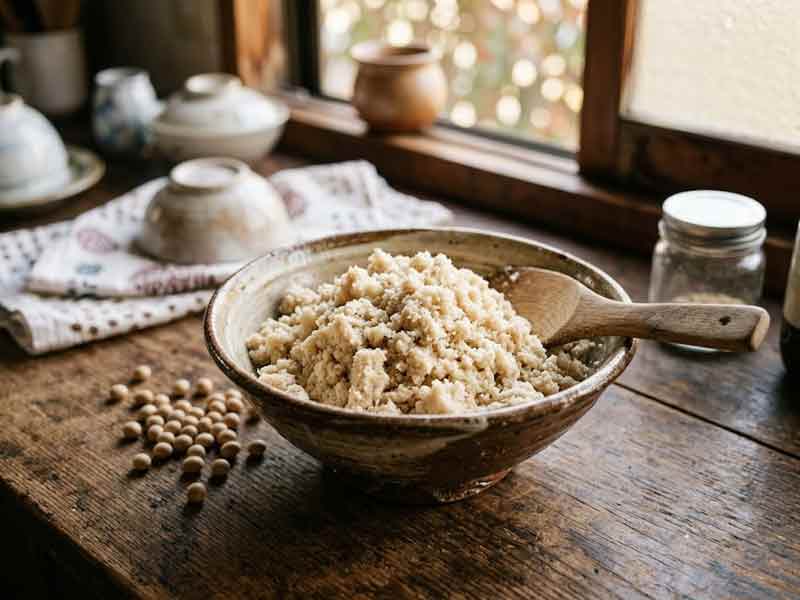
Produced as a by-product of soy milk and tofu, okara is a fibre-based and nutrient-rich food. This food contains fibre, iron, omega-3 fatty acids, potassium, calcium, magnesium, vitamin K, and vitamin B2, making it an ideal food for many Japanese people. This food is used in a side dish known as unohana in Japan.
2. Tofu

Tofu is another superfood in Japan. It is a stable protein source. It is lower in calories than meat. But still provides all essential amino acids. This food is also high in vitamins and minerals. When it is lightly fermented, it introduces beneficial bacteria into the gut. This helps balance gut flora and supports digestion.
3. Natto
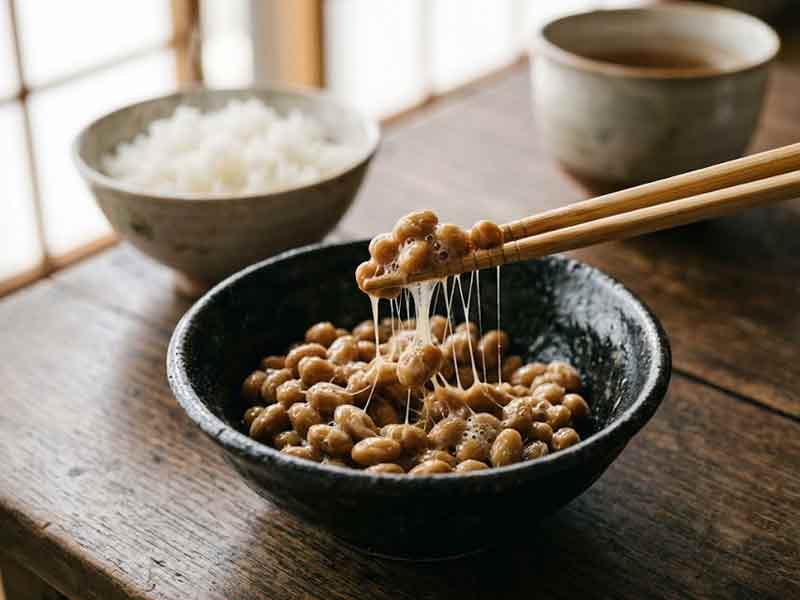
Made from fermented soybeans, Natto is among Japan’s potent probiotic foods. This superfood aids immunity, digestion, gut mobility, and heart health due to its enzyme and vitamin K2 content. However, its mustard, soy sauce, or wasabi flavour can change your mood.
4. Tsukemono

Tsukemono, or Japanese pickled vegetables, is an everyday probiotic that many hotels and restaurants serve with nearly every traditional meal. This food is made from different vegetables like cucumbers, daikon radishes, and purple cabbage, providing vitamins, fibre, and beneficial bacteria. It also supports gut health due to its nutrient absorption.
5. Amazake
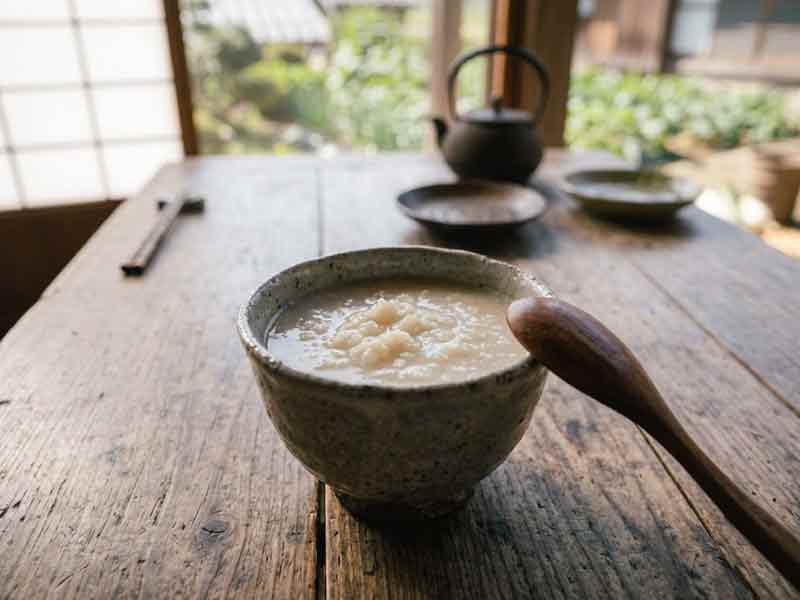
Amazake is a traditional Japanese fermented rice beverage that contains little to no alcohol. With its naturally sweet flavor, it provides probiotics, amino acids, digestive enzymes, and B vitamins that may support digestion and energy. It can be enjoyed cold during the warmer months or served warm in winter.
6. Konjac and Shirataki

Konjac comes from the konjac plant root, and it is lower in calories and high in fibre. Made from konjac, Shirataki noodles are often used as a light substitute for pasta. Both are ideal for gut health. Consider eating them mindfully to ensure adequate nutrition.
7. Japanese Green Tea

Sencha and matcha are Japanese green teas. They are rich in antioxidants, particularly catechins that support gut health by reducing inflammation in the digestive tract and promoting a balanced gut microbiome. They also encourage hydration and serve as a healthy alternative to sugary drinks. It is ideal for warm climates, when its variants can also be brewed in cold water.
8. Agar-Agar

Made from red algae, agar-agar is a plant-based jelly. This food is lower in calories and is composed mainly of soluble fibre. Soluble fibre in agar-agar creates a gel-like substance in the digestive tract, helping promote regular bowel movements while also serving as a source of prebiotic fibre. In Japan, agar-agar is traditionally featured in anmitsu, a popular dessert prepared with fruit and sweet red azuki beans.
9. Rice

Japanese rice is also a superfood that supports gut health. This food is usually soft, grounding, and easy to digest, making it a suitable food for people with digestion issues. After being cooked and cooled, this food develops resistant starch, a type of prebiotic fibre that nourishes beneficial bacteria in the gut and may help support comfortable digestion.